

























Inflammation Basics and the Role of Diet and Exercise
You’ve probably heard of inflammation before. But could you describe what it is to someone else? “Inflammation is a biological response that involves a series of signaling pathways at the cellular level, designed to protect the body from harm,” explains Dr. Kate Huether, The ReKovery MD.
“In other words, when the body is exposed to certain triggers, it reacts by sending signals to remove any harmful substances and heal damaged tissues,” Huether says. But while inflammation can protect us from harmful substances and outside invaders, it can also do damage of its own. Here’s what every health-conscious person needs to know.
WHAT’S “GOOD” INFLAMMATION?
WHAT’S “GOOD” INFLAMMATION?
There are two types of inflammation: acute and chronic. It might sound strange, but there are some cases when inflammation is a positive rather than a negative.
“Acute inflammation is actually a good thing, as it is one of the first defense mechanisms our bodies use to defend us from say, a bee sting or a cut,” explains Monica Ruiz-Noriega, PhD. Symptoms of acute inflammation can include swelling, redness and pain. Having appendicitis is also an example of acute inflammation.
You want this type of inflammation to happen because it signals something is wrong and enables us to heal. “This type of inflammation usually lasts only a few hours or days and is usually localized to a specific region in the body,” Ruiz-Noriega adds.
WHAT’S “BAD” INFLAMMATION?
WHAT’S “BAD” INFLAMMATION?
Unlike acute inflammation, chronic inflammation is abnormal and does not benefit the body, Ruiz-Noriega says. This is inflammation that doesn’t go away after a short period of time. You may already know chronic inflammation is associated with autoimmune diseases, but conditions like asthma, sinusitis and chronic ulcers are also examples of health issues stemming from chronic inflammation. “Chronic inflammation means that the immune system is working overtime and it may not know when to stop,” Ruiz-Noriega explains.
For this reason, chronic inflammation is important to address. “Chronic inflammation can eventually lead to an attack on healthy tissues and organs, which in turn may lead to diseases such as rheumatoid arthritis, cancer, heart disease, Crohn’s disease and diabetes,” explains to Gal Shua-Haim, a registered dietitian with Daily Harvest.
Chronic inflammation can be limited to a specific part of the body, such as your mouth if your gums are not in great shape. “But chronic inflammation can also affect your whole body,
Ruiz-Noriega says. This can happen for any number of reasons, some of which we don’t have control over. But lifestyle does contribute to chronic inflammation, so it’s helpful to focus on what you can control over what you can’t.
THE INFLAMMATION AND DIET CONNECTION
THE INFLAMMATION AND DIET CONNECTION
Nutrition is one of the strongest tools we have to fight inflammation, but it can also be a major cause of inflammation, depending on your diet. “Some foods can be pro-inflammatory, such as refined carbohydrates, alcohol, sugar, saturated and trans fats and other processed foods,” Huether says.
These foods cause us to produce higher amounts of oxidants, or reactive molecules that are produced inside our bodies as a normal part of our metabolism, Ruiz-Noriega explains. These molecules also trigger inflammation. “Normally the body would be able to handle the amount of oxidants and neutralize them.” But when we overeat certain foods, our bodies don’t have enough resources to quench the oxidative load. When that happens, oxidants trigger our bodies to protect themselves with an inflammatory response.
Luckily, there are a lot of foods you can eat to help stave off inflammation. “Nature has provided us with many foods with amazing antioxidant capabilities,” Ruiz-Noriega points out. “These foods are also packed with essential vitamins and minerals that boost our immune system and help us control the inflammatory process.”
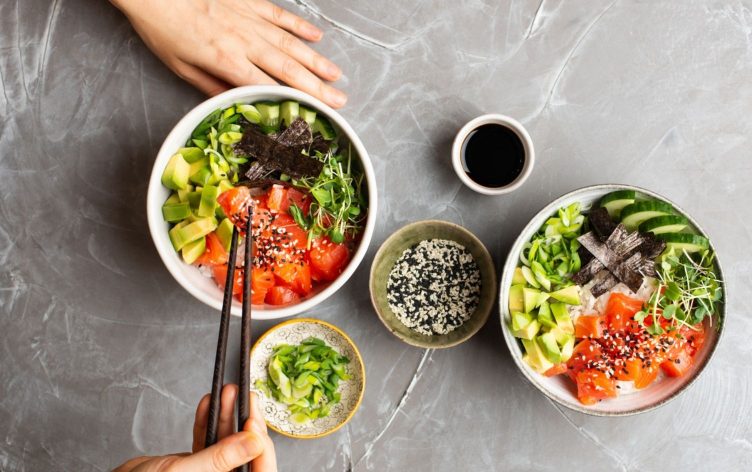
Leafy vegetables, fatty fish, nuts, olive oil and fruits such as berries are known to be anti-inflammatory, Huether says. For her part, Ruiz-Noriega cites bright-colored fruits and vegetables, avocados, nuts and seeds, and beans and legumes (if well-tolerated) as anti-inflammatory foods to focus on.
Gut health may also play a role in warding off chronic inflammation. “The cause of chronic inflammation may be different for everyone, but optimizing gut health is an important foundational step to healing,” says Liz Wyosnick, a registered dietitian and owner of Equilibriyum.
We know the gut and immune system are connected, though the specifics are still being investigated. Still, nutrition experts believe the more optimal your digestion, the better you are able to absorb key micronutrients and eliminate toxins, which means your immune system will be that much better-equipped to activate the “off switch” of an inflammatory process, Wyosnick explains. “This means adopting a diet that doesn’t bog down or stress out the digestive system the way a high-sugar, high-fat and highly processed diet is likely to.”
THE INFLAMMATION AND EXERCISE CONNECTION
THE INFLAMMATION AND EXERCISE CONNECTION
When we exercise, we may create acute inflammation in our muscle tissue — especially after a really tough workout. “When the muscle gets ‘damaged’ the body will try to repair it by increasing circulation to the area,” Ruiz-Noriega explains. “More blood is diverted to that area, which means that more nutrients needed for growth and repair will be delivered to that particular area in the body.” This results in muscle repair and growth.
More good news: Your exercise habit is likely helping you minimize chronic inflammation. “In general, regular cardiovascular exercise reduces overall inflammation,” Huether says. The only exception is if you’re overtraining, which means your muscles don’t have enough time to recover between workouts, resulting in a constantly inflamed state.
THREE WAYS TO MINIMIZE CHRONIC INFLAMMATION
THREE WAYS TO MINIMIZE CHRONIC INFLAMMATION
The symptoms of chronic inflammation can vary from person to person and can also be relatively vague. They can include fatigue, GI complications (constipation, bloating or diarrhea), weight gain and/or joint pain, according Shua-Haim. If you have concerns about chronic inflammation, you should speak with your doctor. Still, there are some steps everyone can take to fight chronic inflammation through lifestyle.
REDUCE INFLAMMATORY FOODS
REDUCE INFLAMMATORY FOODS
Ruiz-Noriega recommends reducing restaurant foods, fast foods and junk food to minimize inflammation. She also emphasizes that it’s important to stop eating foods you know you’re sensitive to. “Every time you eat something that does not agree with you, it will trigger the inflammatory response,” she says. Reducing alcohol consumption is also a good idea, she adds.
TAKE REST DAYS FROM EXERCISE
TAKE REST DAYS FROM EXERCISE
“Chronic over-exercisers and endurance athletes that don’t take rest days can cause chronic inflammation in their bodies over time,” says Nina Geromel, DPT. “They are constantly sending their bodies into the inflammatory state through exercise, but not allowing the process to finish before they go and exercise again.” So yes, you really do need rest days.
REDUCE STRESS
REDUCE STRESS
“When we are constantly stressed, we are in flight-or-fight mode constantly, which, when sustained long-term, leads to inflammation,” Ruiz-Noriega says. “In contrast, when we engage in activities such as meditation, breathing and relaxation, the parasympathetic branch of the nervous system is activated. This leads to repair, growth and restoration — a general ‘anti-inflammatory’ state.”
- Advertisement -